Every year, the Met Gala transforms the steps of New York City’s Metropolitan Museum of Art into something far beyond an ordinary red carpet. On May 4th 2026 this metamorphosis felt especially clear: this was not just a night of fashion, but a night of storytelling. Celebrities donned more than outfits — they embodied ideas, referenced history, and turned themselves into living artworks.
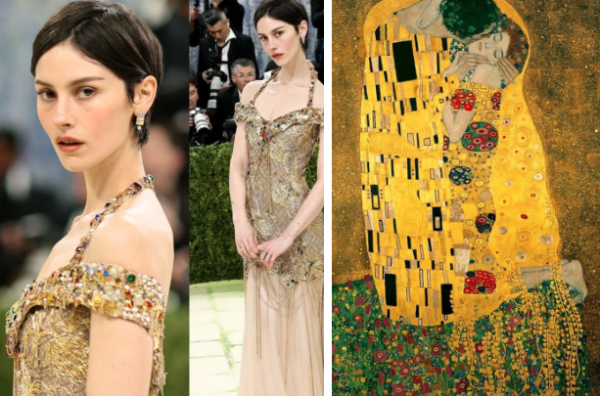
One of the most striking ways this was portrayed was through direct inspiration from famous art pieces. Soulful singer,Gracie Abrams appeared in a gown reminiscent of Gustav Klimt’s The Kiss, with shimmering gold tones and intricate detailing that echoed the painting’s intimacy and emotional depth. Rather than relying on extravagance alone, her look told a quieter story about vulnerability and connection, transforming her into a walking expression of emotion.
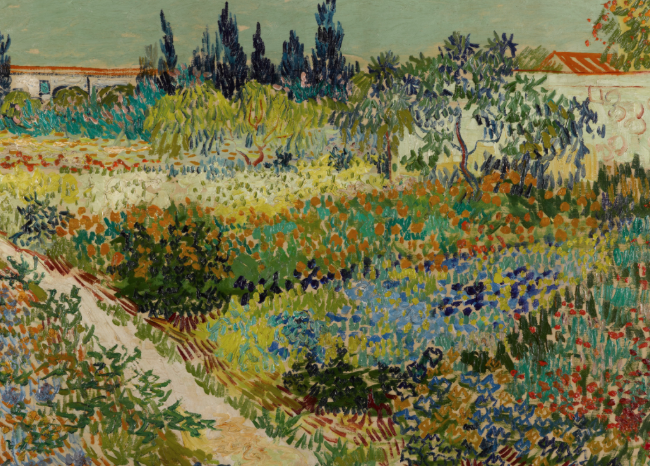
Similarly, influencer Emma Chamberlain embodied the soft, almost dreamlike quality of The Garden of Arles. The movement and texture of her dress gave the impression of a painting brought to life, showing how fashion can capture not just an image, but a sensation. In the same way, Kendall Jenner channeled the grace and power of the Winged Victory of Samothrace, her structured yet flowing silhouette expressing the timeless strength of classical sculpture.
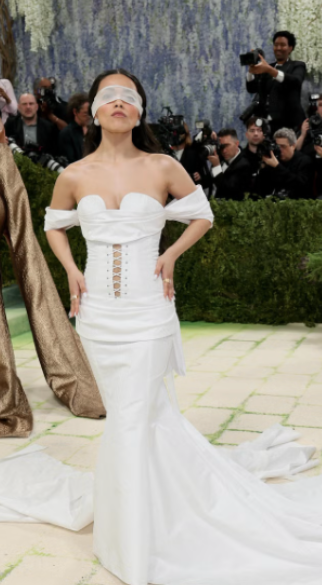
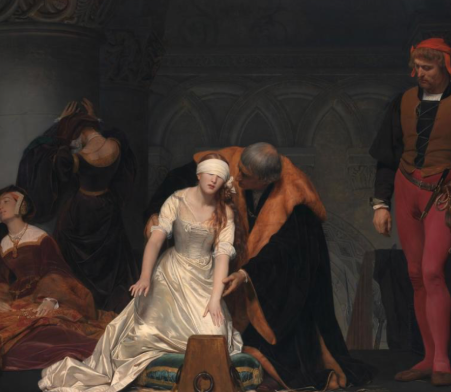
Other celebrities opted for more dramatic and emotional artistic references. Actress Rachel Zegler appeared in a look evocative of The Execution of Lady Jane Grey, combining softness with intensity to mirror the painting’s themes of innocence in the wake of tragedy. Meanwhile, model Anok Yai evoked the imagery of the Mater Dolorosa, her sculptural styling converting her into something almost sacred. These looks demonstrated how the Met Gala serves as a space where fashion reinterprets historical and emotional narratives.
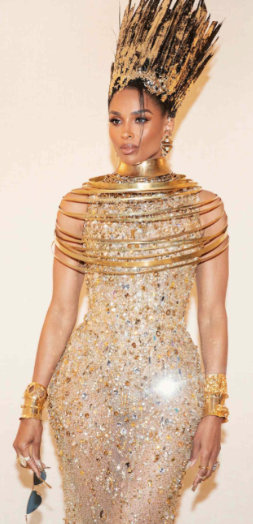
Additional attendees continued this fusion of fashion and fine art. Singer Ciara appeared in a look that reflected the elegance and symmetry of the Bust of Nefertiti, presenting herself with a distinct regal presence that reflected timeless beauty and female power. The Marias’ lead singer, Maria Zardoya, brought her younger self to the red carpet, drawing inspiration from her childhood toy, a porcelain doll. Meanwhile, Kpop Demon Hunters singer Audrey Nuna embraced abstraction wearing an outfit inspired by the black and white splatter style of Jackson Pollock, transforming her fit into a moving example of modern art.
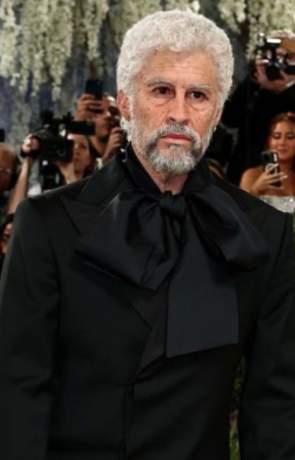
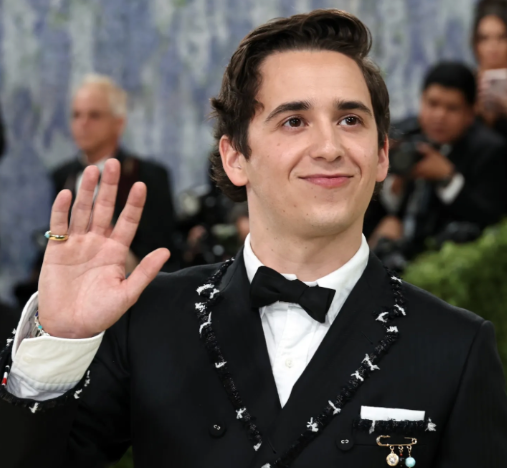
While some attendees drew from classical art, others used their looks to explore more personal stories. Bad Bunny stood out by transforming himself into Don Benito, an older version of himself, complete with wrinkled prosthetics and age. His look challenged traditional prevailing beauty standards and the fashion industry’s obsession on youth, using storytelling to explore identity across time. Rising comedian Marcello Hernandez took a more cultural approach, wearing a tuxedo adorned with meaningful accessories derived from his Dominican Cuban heritage including a gold ángel de la guarda symbolizing protection, larimar representing peace, and an azabache worn to ward off negative energy. His look highlighted how fashion can tell deeply personal and cultural stories.
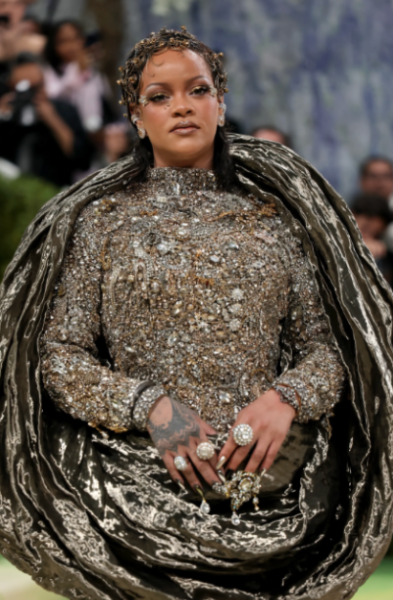
And obviously, no conversation about storytelling at the Met Gala would be complete without Rhianna, who once again proved why she remains one of the event’s most iconic figures. Her 2026 look transformed her into a literal piece of art, with a dramatic, sculptural design that framed her body like a museum exhibit. By turning herself into the artwork, Rihanna blurred the line between subject and object, reinforcing the idea that fashion at the Met Gala is as much about concept as it is about design.
Together, these looks reveal a larger truth: the Met Gala is no longer just about what people wear, but about what those choices reveal. Whether referencing Klimt, culture, ancient sculpture, or abstract expressionism, celebrities (and designers) used fashion as a form of visual storytelling. The red carpet became an art gallery, the attendees became exhibits, and each outfit contributed to a broader cultural conversation.
In a world often quick to dismiss fashion as superficial, the 2026 Met Gala offered a powerful counterargument. It showed that clothing can carry meaning, evoke history, and tell stories just as effectively as any painting hanging inside the museum itself.