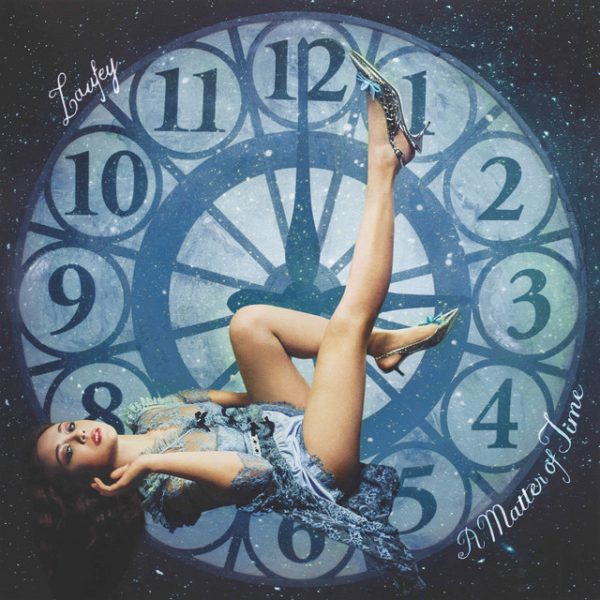
Following her Grammy winning success and rise as a modern pop icon, Laufey’s third studio album A Matter of Time invites listeners into a space suspended between nostalgia and self-discovery. Since her 2022 debut Everything I Know About Love, she has captivated fans through her blend of classical instrumentation, jazz harmonies, and dreamy vocals that remind us of timeless artists like Ella Fitzgerald and Norah Jones. As a young classical violinist myself, I found myself especially drawn to how Laufey weaves orchestral textures into pop, making the album feel familiar. A Matter of Time is an album that captures the bittersweet feeling of growing up to realize that love, luck, and life all change with time. Below are my thoughts on some of the standout tracks, along with a few that didn’t quite strike the same chord.
“Clockwork” — 8/10
Opening the album, “Clockwork” immediately establishes a central theme: time slipping through your fingers. Gentle voices paired with lush strings create a cinematic atmosphere. While the track unfolds slowly, it blooms into something graceful by the final chorus, mirroring the uneasy acceptance of forward motion. As an overture, it sets the tone for an album rooted in growth and impermanence.
“Lover Girl” — 10/10
“Lover Girl” is sweet, nostalgic, and slightly melancholic, an ode to Laufey’s daydreaming self. The guitar line gives the song a warm, café feel, while the vocals straddle vulnerability and wistfulness. Lyrically, it’s one of Laufey’s most unique and self-aware moments: she acknowledges her tendency to fall for love itself, not just the person she is in love with.
“Snow White” — 5/10
“Snow White,” has an enchanting concept, like it’s part of a Disney fairytale. The story is told through Laufey’s whimsical lens, but it doesn’t quite land emotionally. The melody is predictable, and the lyrics lean too heavily into imagery that feels detached from genuine emotion. While her voice is as pure as ever, the story feels more imagined than lived. While the song adds stylistic variety to the album, it lacks the raw authenticity that defines stronger tracks like “Tough Luck” and “Silver Lining.”
“Castle in Hollywood” — 8/10
With its unique beat and chords, “Castle in Hollywood” transports listeners to the graveyard of memories, buried under passed time. Friendships can become just as important as romantic relationships, but because society typically treats them as inferior, they’re often not considered to be as impactful. Laufey’s storytelling here is cinematic, narrating a friendship that doesn’t end happily-ever-after. The orchestration is subtle but powerful, and her vocal phrasing makes the song’s melancholy feel earned. It’s one of the album’s most mature tracks, and it displays Laufey’s growing self-awareness as both a person and as a friend.
“Carousel” — 7/10
This song does not stand out on first listen; however, the more it plays, the more its emotions linger like a nostalgic childhood memory. Soft piano and a circular melody mirror the feeling of going round and round, unable to let go. While the track drifts at times without building strong tension, Laufey’s wistful delivery gives the repetition a poetic pull.
“Tough Luck” — 9.5/10
One of the album’s emotional anchors, “Tough Luck” captures the sting of unreciprocated love with grace rather than bitterness. Laufey’s voice floats above a jazz arrangement that gradually builds into a cinematic chorus. The song captures the sting of loving someone who doesn’t quite feel the same way. But instead of falling into bitterness, Laufey turns heartbreak into a creative melody. Her lyrics feel conversational, like she’s speaking directly to the listener. This is Laufey at her strongest: vulnerable, poised, and deeply human.
“Silver Lining” — 10/10
“Silver Lining” is one of Laufey’s best songs to date. Every element, from the delicate piano chords to the tender vocals, flourish and feel perfectly balanced. The lyrics radiate hope through heartbreak, reminding listeners that loss doesn’t erase beauty, but redefines it. Laufey’s delivery is gentle but assured, as though she’s comforting both herself and the listener. The song feels like an early sunrise breaking through fog, an emotional masterpiece.
“Too Little Too Late” — 8.5/10
This track captures Laufey’s classic blend of jazz and emotional directness. The lyrics tell a familiar story of realizing too late what love could have been, but Laufey makes it feel fresh through elegant phrasing and a classic Laufey style melody. The subtle swing rhythm gives it movement, like a push and pull. The song does not have the emotional buildup to the chorus as I expected and doesn’t quite reach the magic of “Tough Luck,” but is still beautifully produced and heartfelt.
“Cuckoo Ballet” (Interlude) — 4.5/10
While the instrumental composition of “Cuckoo Ballet” is graceful, I think it disrupts the emotional pacing of the album. Its melody sounds more like a transition from a different record. Though it reflects Laufey’s classical background, it doesn’t develop into anything meaningful. It’s a charming experiment, but one that slightly weakens the album’s overall depth and theme. The song felt anticlimactic and somewhat boring in comparison to the rest of the album.
“Forget-Me-Not” — 8/10
Soft and wistful, “Forget-Me-Not” embodies Laufey’s signature elegant yet emotionally grounded sound. The slow tempo evokes the passage of time, and her lyrics feel like a love letter. The simplicity of the melody works beautifully with her restrained vocal delivery. It doesn’t strive for grandeur but allows emotion to breathe. It’s the kind of song that grows more powerful with each listen.
“A Cautionary Tale” — 8/10
Cautionary Tale reads like a poetic fairytale. The storytelling is vivid, featuring Laufey warning herself and her listeners about the hazards of falling too quickly into love. Musically, it’s one of her most theatrical compositions, reminiscent of an old film score. Its creativity and self-awareness immediately highlight it as one of the most emotionally evoking songs of the album;it feels like the place in the album where Laufey steps back to reflect and narrate her own growth.
“Mr. Eclectic” — 7.5/10
A playful yet introspective song, “Mr. Eclectic” dives into Laufey’s frustration with a partner who seems too complex for his own good. Jazzy rhythms and witty phrasing give the song charm, though its cleverness slightly overshadows its emotional depth. Even so, it remains a confident and enjoyable display of Laufey’s versatility.
“Clean Air” — 8.5/10
Arriving near the album’s end, “Clean Air” feels like a release after emotional turbulence. Minimalist instrumentation allows each lyric to be heard with sincerity, while Laufey’s assured delivery conveys relief and clarity. The song captures the moment of finally exhaling, like stepping into spring after a long winter.
“Sabotage” — 9/10
“Sabatoge” concludes the emotional arc of the album with reflection and growth. The piano is understated but moving, and her vocal phrasing feels almost like a confession. It’s intimate and vulnerable, but never loses control. As the final notes fade, the listener is left with quiet closure, proof that Laufey has learned from love and is ready to move forward.
Overall Rating: 8.5/10
By the end of A Matter of Time, Laufey leaves her audience with the comforting realization that change doesn’t have to be sad. It can be beautiful. Blending jazz, pop, and classical influences, she captures what it feels like to grow, remember, and move on with grace. The album feels both timeless and deeply personal, reminding us that growing older isn’t about losing who you were, but about learning to carry your past gently into who you’re becoming. As a young Asian classical musician navigating tradition, identity, and modern expression, Laufey’s work feels less like distant admiration and more like shared language. Even in heartbreak, there is always a silver lining.