As a fan who feels every twist, overtake, and heartbreak of Formula 1, I can say that the 2025 season will be remembered not just for fierce wheel‑to‑wheel battles and a close championship, but also for a series of farewells. This season wasn’t only about who stood on the top step of that podium, but it was about who waved goodbye, how the sport is changing, and what those changes mean for the F1 community.
Sauber’s Sunset and Reset
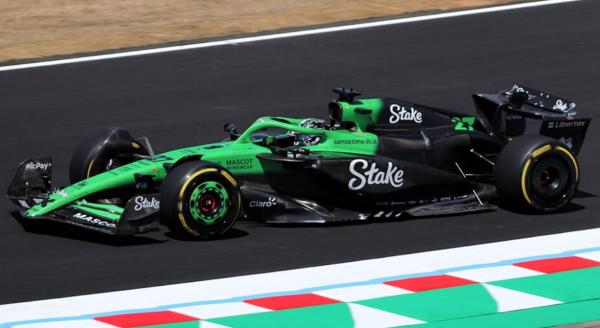
The end of the 2025 season was the end of an era for Sauber, marking their final year as an independent team before Audi takes control in 2026. After parting ways with drivers Valtteri Bottas and Zhou Guanyu at the end of 2024, the team leaned on a mix of fresh talent and experience, with young Brazilian Gabriel Bortoleto making his F1 Debut alongside returning veteran Nico Hülkenberg. For fans like me, Hülkenberg’s podium finish was the high point of the season, a moment that reminded everyone that even as Sauber prepared to pass the torch, they could still inspire excitement. It was bittersweet, knowing this was their last hurrah as an independent team, yet thrilling to witness them leave the grid with pride and a memorable performance that fans will carry with them long after the Audi era begins.
Yuki Tsunoda: The Farewell We Didn’t Want
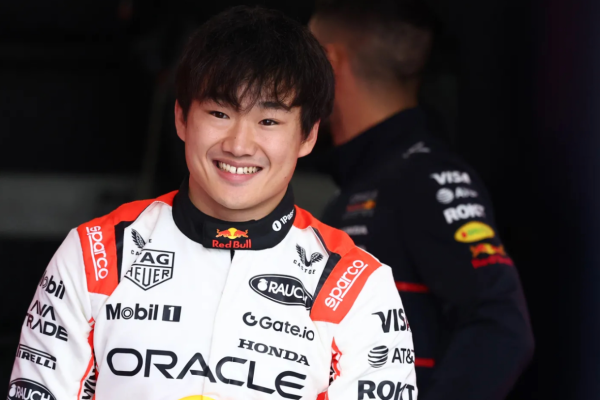
The first time I cheered for Yuki Tsunoda, I realized F1 wasn’t just about statistics, but it was about emotion, drama, and the stories behind the halo. Born in 2000 in Japan, Tsunoda quickly climbed through the ranks of junior motorsport, making a name for himself. In his second year driving in F2, he claimed 4 wins, multiple podiums, and 8 pole positions, finishing 3rd overall in the championship. His rapid rise earned him a seat with AlphaTauri in 2021, marking him as the first Japanese driver in F1 since Kamui Kobayashi in 2014.
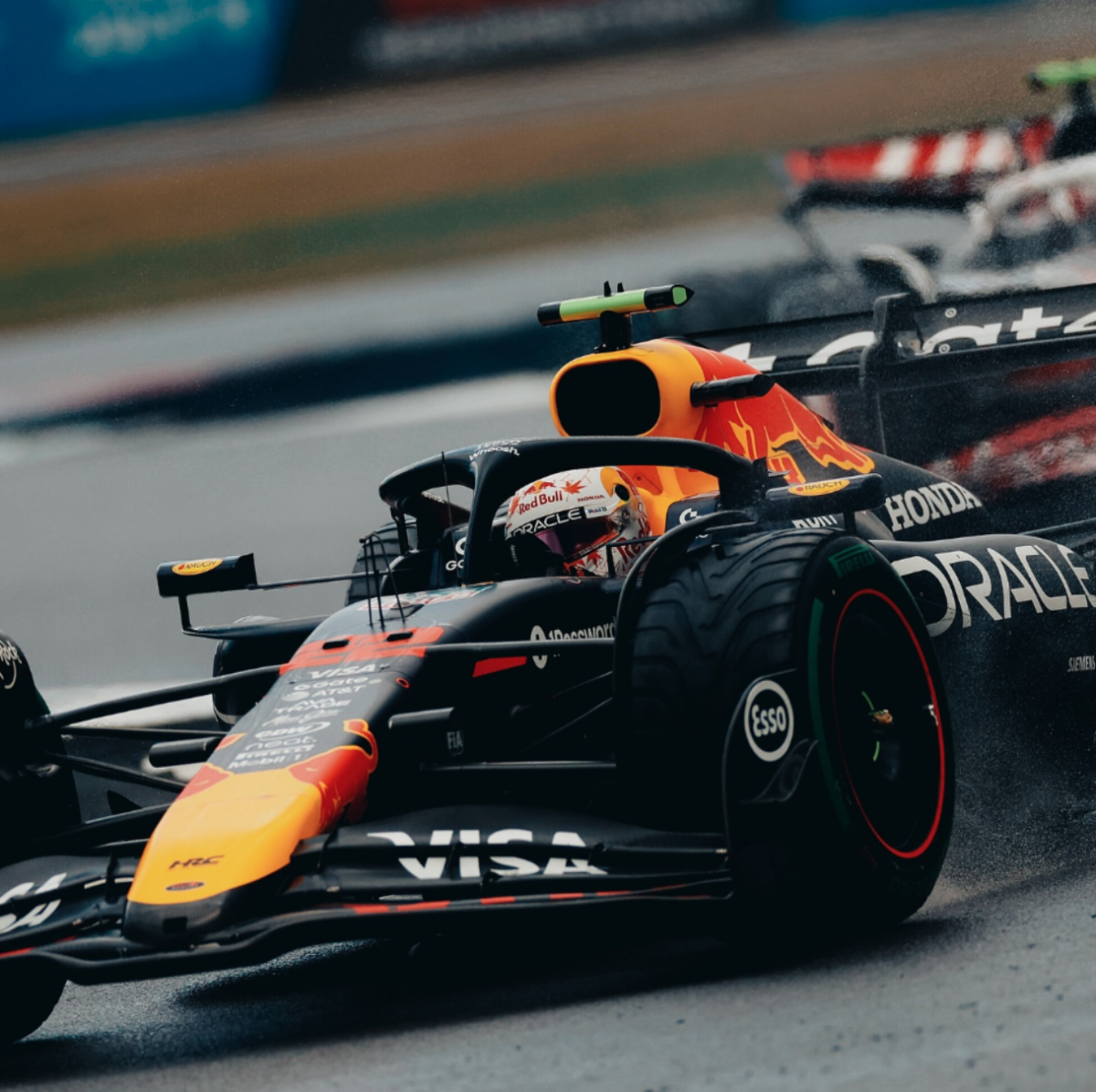
Tsunoda’s F1 career has been a rollercoaster. From scoring points early in his rookie season to delivering occasional standout performances against more experienced teammates, he showed flashes of brilliance that made fans take notice. Yet, like many young drivers, his inconsistency and occasional mistakes highlighted the brutal learning curve that Formula 1 demands. After being promoted to RedBull in the middle of the 2025 season, Tsunoda was informed he would lose his race seat for 2026, taking on a reserve driver role instead.
Watching his journey, from being thrust into a Red Bull seat mid-season to being pushed aside in favor of new talent, is painful for fans who have followed his growth. Some see it as the harsh reality of elite sport, where immediate results are prioritized over long-term potential; others view it as a temporary setback in a career that still holds immense promise. Tsunoda’s story is a reminder of the fleeting nature of opportunities in F1, but also of the resilience required to survive in one of the world’s most demanding sports. For many of us, his farewell from a full-time seat is bittersweet; we are sad to see him go, but hopeful that this pause will allow him to refine his craft, come back stronger, and one day reclaim his place among the top drivers on the grid.
Farewell to DRS: A Shift in How We Watch Racing
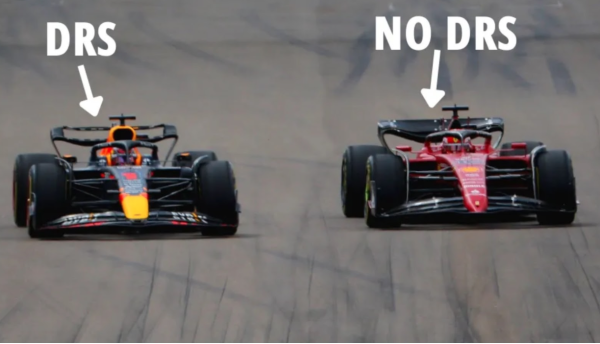
One of the most controversial “goodbyes” of the 2025 season, one that directly affects how races unfold, was the end of the Drag Reduction System (DRS) era. Introduced in 2011 to make overtaking easier, DRS has been both loved and loathed by fans. The first driver to press the DRS button in a Formula 1 race was Jenson Button at the 2011 Australian Grand Prix. The era of DRS recently concluded with Kimi Antonelli being the last driver to use it in the 2025 season. Some argue it created artificial passing; others credit it for more exciting on‑track action. In 2026, it will be replaced by new systems, shifting strategic control back into the hands of drivers and engineers. Saying goodbye to DRS isn’t just a technical rule change. For a generation that saw DRS as synonymous with modern F1 racing, its departure is a reminder that the sport cannot remain static.
Imola Departs
Another bittersweet goodbye in 2025 is Imola, one of Formula 1’s most historic and beloved circuits, which will not appear on the 2026 calendar. For decades, Imola has been a stage for legendary battles, dramatic overtakes, and unforgettable moments that have defined F1 history. Its absence reminds fans like me that the sport is constantly evolving, balancing tradition with global expansion and commercial considerations. While the thrill of new circuits is exciting, losing a track with such deep roots in racing culture is emotional.
Why These Goodbyes Matter
To the casual observer, all of this might sound like routine restructuring: drivers come and go, rules evolve, calendars adjust. But for those of us who breathe F1 year‑round, these changes resonate on a deeper level.
F1 has always been a sport of extremes, but it’s also a sport defined by transition, growth, innovation, and painful goodbyes. The departures of beloved drivers, historic systems like DRS, and traditional circuits remind us that Formula 1 is not just about today’s race.
Yes, 2025 will be remembered for fierce competition and tactical brilliance. But it will also be remembered as a season of endings, with each of them meaningful in ways that statistics alone can’t capture. And as F1 moves into its next chapter, we’ll carry those memories with us, reminding us that while the sport never stands still, neither do we as fans.
The 2026 Rebirth: Rule Changes, New Teams, New Tracks
While we said goodbye to some familiar aspects of 2025, what awaits in 2026 feels like a true rebirth. This coming year marks one of the most significant shake‑ups in years, with new manufacturers entering the sport, redesigned cars, updated regulations, sustainable fuels, and a calendar that mixes fresh circuits with returning classics. The combination of these changes promises a year of unpredictability, strategic innovation, and renewed opportunities for both seasoned veterans and rising talent.
A New Era of Cars and Regulations
A brand‑new generation of cars is set to hit the track in 2026 under freshly overhauled FIA regulations. The focus is on smaller, lighter, and more nimble cars designed to improve close racing and driver influence. These changes are part of a broader push to make races more exciting while maintaining safety and sustainability, including advanced sustainable fuel use across the grid. In a sport obsessed with speed and innovation, 2026 promises a reset for competitiveness that could level the playing field in new and exciting ways.
A New Champion Has Emerged
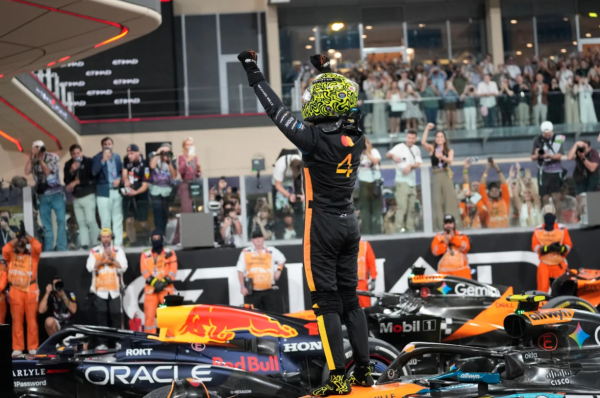
One of the most striking stories coming out of the 2025 season is that Formula 1 now has a new world champion. After years of dominance by Max Verstappen and Red Bull, Lando Norris clinched his first World Drivers’ Championship in 2025 , edging out Verstappen and teammate Oscar Piastri in a dramatic title fight and bringing McLaren its first drivers’ crown in nearly two decades. This shift at the very top of the sport underscores just how unpredictable F1 has become. Norris’s win signals not only a change in the record books but the start of a new era where previous hierarchies can be challenged and overturned.
New Names, New Faces, and New Competition
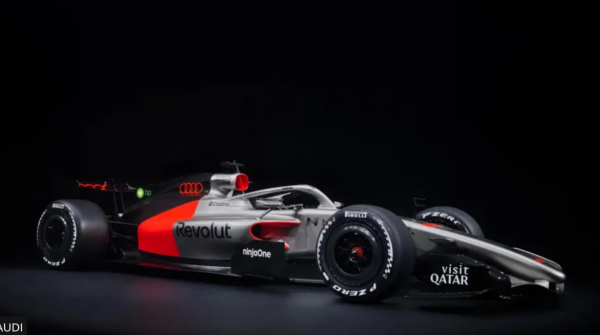
Perhaps the most headline grabbing of all is the arrival of Audi, transforming the former Sauber entry into Audi Revolut F1. Another exciting development is Cadillac’s debut, and with it the return to the grid of veterans Sergio “Checo” Pérez and Valtteri Bottas. Both of their comebacks add narrative weight to the season ahead, reminding fans that F1’s stories aren’t just about youth and speed, but also wisdom and resilience. For fans of drivers like Yuki, Pérez and Bottas returning is a hopeful sign: there are pathways for experienced racers to stay in the sport, and perhaps that resilience will inspire teams to bring back drivers like Tsunoda in future seasons.
Fresh Circuits and Global Calendar Changes
The 2026 calendar will feature 24 races across five continents, including the debut of the Madrid Grand Prix, a new street circuit set to challenge teams and drivers alike with fresh curves and fan energy. While fans have mourned the loss of some historic venues over the years, the sport’s expansion into new cities provides fresh stories, legends, and rivalry. Watching drivers adapt to new layouts and evolving conditions becomes part of the race itself.
Why These New Changes Matter
Some critics will say that change in F1 is inevitable, that rules and calendars evolve every few years. But what makes the 2025–2026 transition unique is the sheer scale and significance of the shifts. This isn’t just evolution; it’s transformation. And with transformation comes excitement: closer racing, unexpected podiums, and opportunities for drivers to adapt and shine.
Amid all these changes, fans can still hold onto hope for familiar faces like Yuki Tsunoda, who may return in the coming seasons with renewed skill and determination. His potential comeback is just one example of how the evolving landscape of F1 creates space for growth, reinvention, and thrilling storylines.
In a sport defined by speed and constant change, goodbyes are never final. They make room for rebirth, and the losses of 2025 are giving way to a 2026 season full of creativity, innovation, and excitement. That’s why we keep watching, not just for who wins today, but for who adapts, who returns, and who shapes the next chapter in motorsport.